


Traffic control work moves fast and can be risky. Crews stand close to moving cars and deal with low visibility, bad weather, and drivers who may not slow down. If a small detail is missed, it can cause delays, danger, or accidents. This is why job reporting is very important for traffic worksites in 2026.
Reporting is not just paperwork. It shows what happened on-site, records decisions made, and keeps a safety history for the team and the company. Clear reports help supervisors act faster, share updates, and prevent the same problem from happening again. Many teams now use digital tools like Field Promax to record job status, take photos, note hazards, and send reports to the office or clients right away.
This post explains why job reporting matters, how it improves safety, and how crews can build a habit of reporting after every shift.
Why Job Reporting Matters in Traffic Worksites?
Traffic conditions change quickly. A lane that is open in the morning may need full closure later. Signs fade, cones move, weather shifts, and workers get tired. Reports help track these changes in real time.
With correct reports, supervisors can:
- Check signs, cones, and barriers.
• Track work progress without calling every crew.
• Review hazards and fix them early.
• Keep transparency with clients and officials.
• Plan better for future jobs using past records
Reports act as proof. If something goes wrong, there is clear documentation. If the job goes well, reports show professionalism and good work.
How Reporting Improves Safety Culture?
A safe worksite depends on responsibility. When each shift ends with a report, workers learn to observe better and take ownership of their tasks.
Reporting supports safety through:
- Communication
Everyone gets the same update. No need to rely on memory or verbal messages. - Documentation
Photos and notes show what was done. It reduces confusion and helps with training. - Prediction
Reports reveal repeating risks. Managers can fix issues before accidents happen. - Speed
When a problem occurs, the team can act fast because details are already recorded.
Safety improves not by reacting later but by stopping risks early. Reporting makes this possible.

What a Traffic Worksite Report Should Include?
A good report is simple and clear. It should not slow workers down. It must record key points needed for safety and compliance.
A useful daily or shift report includes:
- Job location and date
• Crew on duty
• Type of traffic control used
• Placement of signs and barriers
• Weather and visibility
• Hazards noticed
• Work completed
• Any near misses or driver complaints
• Before and after photos
• Supervisor or team lead approval
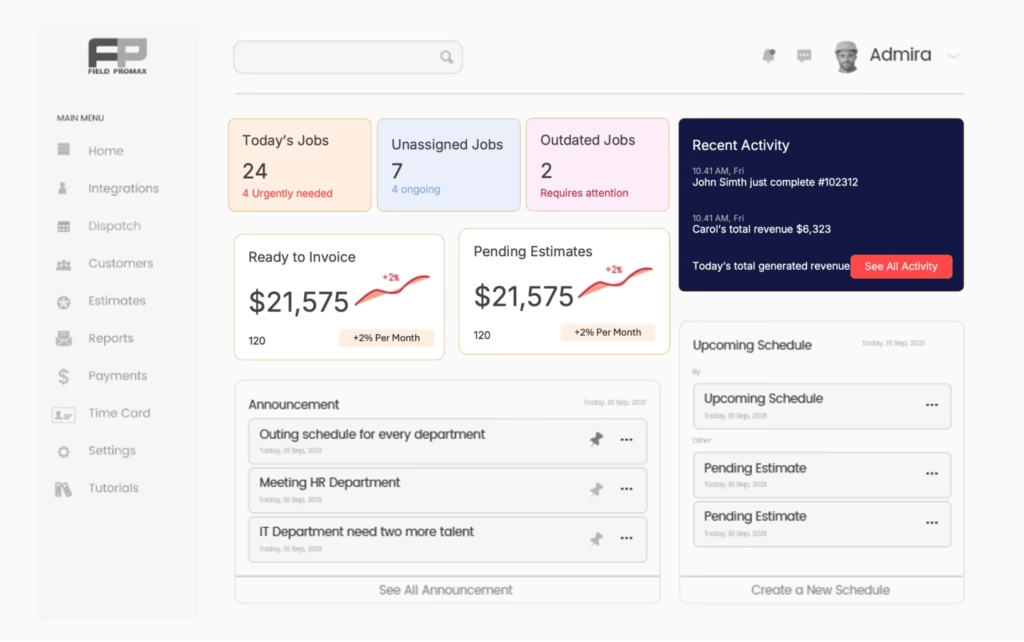
With Field Promax, workers can upload photos, write notes, and send reports online. The office receives updates instantly without waiting for paper forms.
Real Example: How Reporting Prevented an Incident
Imagine a crew working on a busy highway. The morning started clear, but by noon thick fog made it hard for drivers to see ahead. A technician noticed cars slowing down suddenly near the work zone. This was a warning sign.
Without a reporting system, the crew might just rely on memory or a quick phone call. But with proper reporting, the technician logs the issue, takes a photo, and sends it in seconds. The supervisor sees the report on the dashboard right away. Within minutes, the team increases the sign distance, adds reflective cones, and improves lighting. The risk drops before anything goes wrong.
Reporting did not just record the problem. It helped fix it fast.
Job Reporting Builds Client Trust
Cities, contractors, and government groups want proof that work was done safely. Reports with photos, notes, and time stamps make this easy. Instead of only saying what was done, teams can show it clearly.
Clients value:
- Proof that safety rules were followed
• Clear updates without repeated calls
• Smooth audits and inspections
• Records of all work completed
A simple digital report strengthens long-term relationships. It shows that safety is a daily habit, not just a rule.
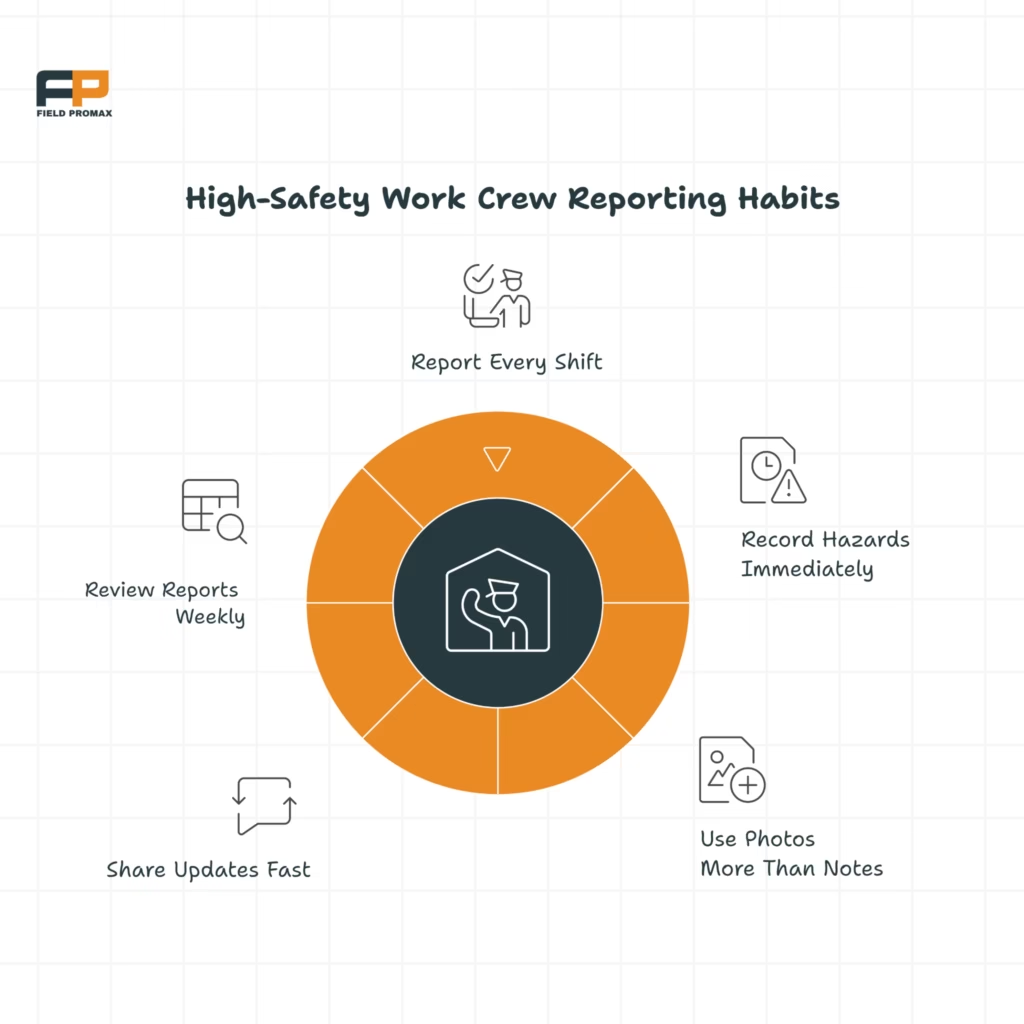
Reporting Habits of High-Safety Work Crews
What Top Crews Do Differently
✔ Report every shift (even when nothing goes wrong)
✔ Record hazards immediately
✔ Use photos more than long notes
✔ Share updates fast with team leads
✔ Review reports weekly for patterns

Using Digital Tools for Easy Reporting
Paperwork can get lost, damaged, or written badly. Photos may be added late, and managers may not know about issues until the end of the day. This delay can slow decisions.
Digital tools fix these problems. With Field Promax, technicians can log details from their phone, upload photos right away, add notes, and send reports without paper. Everything stays organized and easy to find later for audits, training, or client checks.
Digital reporting speeds up decisions, improves communication, and helps avoid missed details.
How to Build a Strong Reporting Habit?
Tools work best when workers use them daily. A reporting habit starts with simple steps and a clear purpose.
Tips to build a reporting culture:
- Teach crews what to record and why it matters
• Keep reports short and easy to fill.
• Ask for quick updates instead of long notes.
• Use photos to save typing time.
• Review weekly reports during safety talks
Regular reporting makes teams more alert and safety aware.
Quick Report Quality Checklist
Before submitting, check if the report:
- Has the correct location
• Shows hazards clearly
• Includes photos
• Explains changes during the shift
• Is it easy to understand in one minute
If yes, it is a strong report.
Read More: Computational Empathy: The Future of Product Design
Final Thought
Traffic worksites will always have some level of risk. But risk can be managed. Job reporting helps teams see what is happening, plan better, and keep proof of every step. It protects workers, builds trust with clients, and makes daily work smoother. When done often using digital tools like Field Promax, reporting stops feeling like extra work and becomes a safety shield.
Teams that report well work smarter, fix problems faster, and stay safer on the road every day.
FAQs
- Why is job reporting important on traffic worksites?
Job reporting helps track site conditions, hazards, crew work, and progress. It improves communication between the field and the office and supports safety rules. By recording issues early, teams can fix them before they become accidents. - What information should be included in a traffic worksite report?
A strong report has the site location, crew names, sign and cone setup, weather conditions, hazards seen, tasks done, photos, and supervisor approval. Clear reports make work safe and easy to review later. - How does digital reporting make work sites safer?
With digital tools, workers can upload photos, note hazards, and send updates right away. Managers get information fast, make better decisions, and keep records ready for audits or clients. - Can job reporting prevent accidents?
Yes. When teams report often, risks like poor visibility or damaged signs are found early. This allows quick action, reducing the chance of accidents or near misses.