
The modern digital path to purchase is no longer a linear journey—it’s an instantaneous reaction. When consumers discover a product on social media, in an editorial blog, or during a video tutorial, asking them to leave that media, open a search browser, and track down the SKU manually creates immense friction.
Shoppable content bridges this gap by embedding direct buying capabilities—such as interactive pins, tags, hotspots, and instant checkout overlays—directly into rich media.
Below is an in-depth breakdown of high-converting shoppable content examples, real-world brand executions, and actionable best practices for implementing this strategy on your own channels.
What Makes Content “Shoppable”?
Shoppable content transforms traditional top-of-funnel discovery media into lower-funnel point-of-sale touchpoints. Whether it’s an image, a short video, or an interactive magazine layout, shoppable media features embedded metadata—such as hover cards, clickable tags, or interactive pins—that allow users to view pricing, product variants, and stock availability without leaving their current viewing experience.
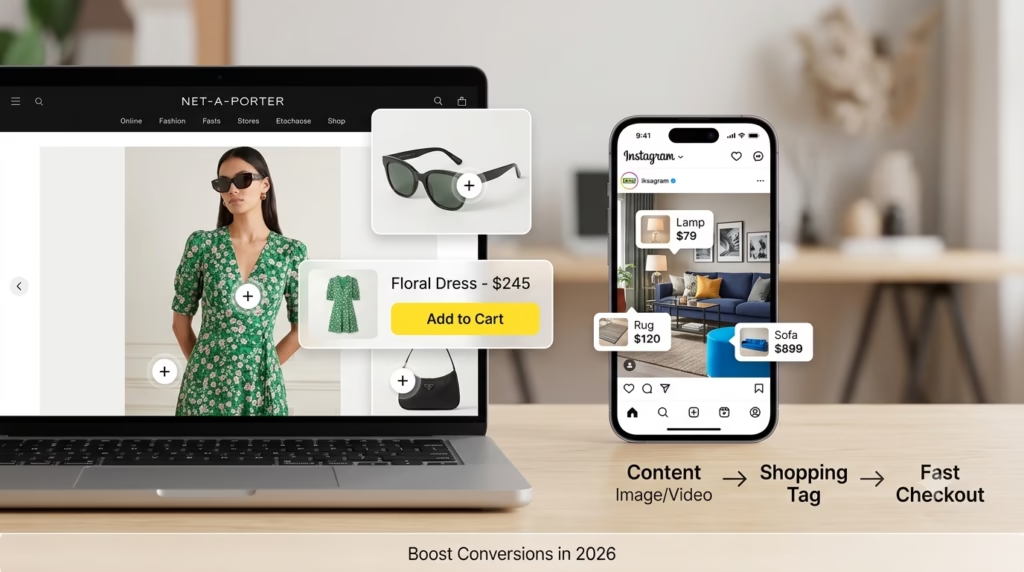
Discovery Touchpoint  ──>  Interactive Hotspot/Tag  ──>  In-Context Checkout
 (Video / Image / UGC)       (Price, Variants, Details)     (Zero Friction Purchase)
5 High-Converting Shoppable Content Examples
1. Shoppable Short-Form & Interactive Video
Video generates higher engagement than static images, but native shoppable overlays allow brands to convert viewing intent into sales instantly.

How it works: Interactive hotspots or slide-out cards appear in real time as specific products are featured on screen.
Top Shoppable Content Examples in Video:
IKEA: Integrates interactive yellow
+pop-ups into video home tours. Clicking a tag opens a side drawer with pricing, dimensions, and an instant “Add to Cart” button.Puma (“Forever Faster”): Embedded subtle interactive triggers into high-pacing athletic campaigns, achieving a 6.9% conversion rate—significantly outperforming traditional display ads.
Kate Spade (“#MissAdventure”): Built entertaining narrative webisodes starring celebrities like Anna Kendrick, ending with interactive end-screen lookbooks where viewers could shop the outfit featured in the scene.
2. Shoppable Editorial Articles & Digital Magazines
For luxury, apparel, and interior design brands, storytelling remains critical. Shoppable editorial content translates traditional lifestyle magazines into digital sales drivers.

How it works: Editorial photography contains subtle, clean hotspots or side-rail product carousels listing items featured in the room or outfit layout.
Top Shoppable Content Examples in Editorial:
Net-A-Porter (The Edit): Every featured outfit, accessory, and beauty product inside their weekly online editorial publication is directly tag-linked for instant checkout.
One Kings Lane (“Today’s Room Crush”): Shares curated interior design photos daily. Each piece of furniture features an elegant pin marker displaying product specs and direct checkout access.
3. Shoppable User-Generated Content (UGC) & Social Feeds
Shoppers trust real customers far more than traditional studio campaigns. Integrating authentic social proof directly onto your storefront boosts buyer confidence.

How it works: Web galleries aggregate tagged customer photos from platforms like Instagram or TikTok, turning customer reviews into shoppable inspiration galleries.
Top Shoppable Content Examples in Social UGC:
Alpro: Curates customer-submitted recipe photos (e.g., cakes and smoothies) on its website. Clicking a user’s food photo highlights the exact Alpro plant-based ingredient used and allows users to add it to their cart.
Havaianas: Embeds native Instagram product tags directly onto summer lifestyle feeds. Users browsing their feed can purchase footwear in two taps without abandoning their social browsing.
4. Interactive Quizzes & Augmented Reality (AR) Try-Ons
Interactive commerce gives users confidence when purchasing tactile or personal items like cosmetics, eyewear, or furniture

How it works: Guided diagnostic questions or camera-based AR filters recommend specific product combinations based on personalized user inputs.
Top Shoppable Content Examples in AR & Interactive Tools:
Luxury Eyewear & Jewelry Brands: Utilizing 360-degree virtual try-on features so users can see how frames or accessories look on their own body tone or frame prior to purchase, drastically lowering return rates.
Skincare Diagnostics: Quizzes evaluating skin type, climate, and targets deliver custom-bundled product recommendations with direct “Shop Your Custom Routine” checkouts.
5. Shoppable Email & Dynamic Newsletters
Bringing point-of-sale functionality into the inbox turns transactional marketing emails into responsive mini-stores.
How it works: Dynamic product widgets allow subscribers to select sizes, pick colors, and initiate checkout directly within their email client.
Top Shoppable Content Examples in Email:
Twist & Tango: Sends dynamic lookbook emails where subscribers can tap outfit callouts to reveal instant pop-up buy options without navigating through multiple browser redirect links.
Quick Comparison of Shoppable Formats
| Shoppable Content Format | Primary Objective | Best Suited Categories | Primary Metric |
| Shoppable Video | High engagement & storytelling | Fashion, Home Decor, Electronics | Click-Through Rate (CTR) |
| Shoppable UGC | Social proof & authentic trust | Beauty, Apparel, Food & Beverage | Conversion Rate (CVR) |
| Shoppable Editorial | SEO & intent-driven inspiration | Interior Design, Luxury, Lifestyle | Average Order Value (AOV) |
| Interactive Quizzes/AR | Personalization & objection handling | Skincare, Cosmetics, Eyewear | Lowered Return Rates |
4 Best Practices for Implementing Shoppable Media
Core Rule for Conversion: Shoppable media should never feel like a disruptive advertisement. If the shoppable element impedes the entertainment or informational value of the content, users will drop off.
Keep Visual Overlays Clean & Uncluttered
Avoid covering images or video frames in dense text or giant buttons. Minimalist dot pins (
+), subtle white arrows, or collapsible drawer menus preserve aesthetic appeal while retaining functionality.Prioritize Mobile Touch Optimization
Over 70% of social media and short-form video browsing occurs on mobile devices. Ensure interactive tags, variant dropdowns, and “Add to Cart” pop-ups feature large, tap-friendly touch targets.
Streamline In-App & In-Context Checkout
Ensure product overlays open a fast mini-cart drawer rather than forcing full-page redirects. Re-routing users away from the content they were enjoying creates drop-offs.
Combine Social Proof with Purchasing Options
When presenting a product tag inside a blog or UGC gallery, display real customer star ratings or quick verified reviews alongside the price to solidify trust before purchase.