
What Are YouTube SEO Mistakes?
YouTube SEO mistakes are errors in video optimization that prevent your content from ranking in search results or getting recommended. These mistakes often reduce visibility, click-through rate (CTR), and watch time.
Why YouTube SEO Mistakes Matter
Even if your content is high quality, small SEO mistakes can stop your video from getting views.
These issues can:
- Reduce your chances of appearing in search results
- Lower your click-through rate (CTR)
- Decrease watch time and engagement
- Limit your video’s reach on YouTube
In short, poor optimization leads to poor performance.
Top YouTube SEO Mistakes (And How to Fix Them)
1. Ignoring Click-Through Rate (CTR)
CTR is one of the strongest signals for YouTube ranking.
The problem:
Videos with low CTR don’t get pushed to more viewers.
How to fix it:
- Write clear and compelling titles
- Use simple, high-contrast thumbnails
- Focus on curiosity and value
2. Weak Video Hook (First 10 Seconds)
The beginning of your video determines whether viewers stay or leave.
The problem:
Long introductions or unclear openings cause viewers to drop off quickly.
How to fix it:
- Start with a clear benefit or promise
- Avoid long intros
- Get to the point quickly
3. Keyword Stuffing
Adding too many keywords in titles, descriptions, or tags can hurt performance.
The problem:
It makes your content look unnatural and confusing.
How to fix it:
- Use one main keyword
- Add a few natural variations
- Write for humans first
4. Using Irrelevant Tags
Tags should support your content, not mislead the algorithm.
The problem:
Irrelevant tags reduce content accuracy.
How to fix it:
- Use tags related to your topic
- Focus on specific keywords
- Avoid trending but unrelated tags
5. Ignoring Audience Retention
Audience retention shows how long viewers watch your video.
The problem:
If viewers leave early, your video won’t rank.
How to fix it:
- Keep content engaging
- Remove unnecessary parts
- Maintain a steady pace
6. Poor Title Optimization
Your title affects both ranking and clicks.
The problem:
Titles that are either too generic or overly optimized don’t perform well.
How to fix it:
- Include your main keyword naturally
- Make the title clear and appealing
- Focus on user intent
7. Weak or Missing Description
Descriptions help YouTube understand your video content.
The problem:
Short or unclear descriptions reduce context.
How to fix it:
- Add your keyword in the first 2 lines
- Clearly explain what the video covers
- Include related keywords naturally
8. Copying Competitors Without Adding Value
Many creators try to copy top-performing videos.
The problem:
Duplicate-style content doesn’t stand out.
How to fix it:
- Study competitors
- Improve on what they missed
- Add unique insights or examples
9. Not Updating Old Videos
SEO is not a one-time task.
The problem:
Old videos may become outdated or under-optimized.
How to fix it:
- Update titles and thumbnails
- Improve descriptions
- Refresh keywords
10. Focusing Only on SEO Instead of Content
SEO helps visibility, but content drives results.
The problem:
Optimized videos with low value won’t perform.
How to fix it:
- Focus on solving a problem
- Deliver clear and useful information
- Keep viewers engaged
Quick Summary
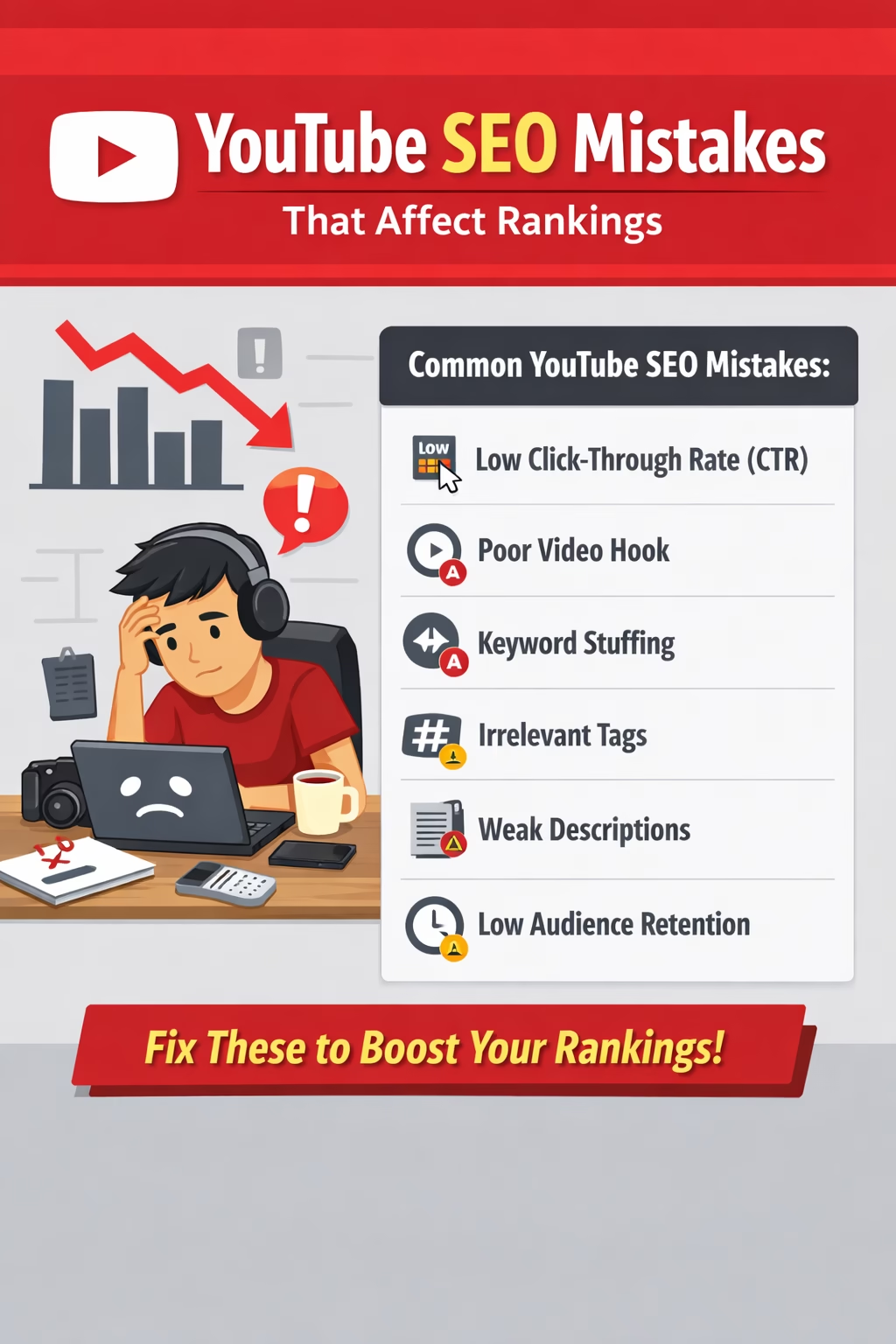
Common YouTube SEO mistakes include:
- Ignoring CTR
- Weak video hooks
- Keyword stuffing
- Poor audience retention
- Irrelevant tags
- Weak titles and descriptions
Fixing these issues can significantly improve your video performance.
Read More: How to Check YouTube SEO Score (Best Free Tools in 2026)
FAQs
What is the biggest YouTube SEO mistake?
Ignoring audience retention and CTR, as they directly impact ranking.
Do tags still matter in YouTube SEO?
Yes, but they are less important than watch time and engagement.
Can SEO mistakes stop videos from ranking?
Yes, even small mistakes can reduce visibility and limit growth.
Final Thoughts
Avoiding common YouTube SEO mistakes can improve your chances of ranking and getting more views.
Focus on:
- Clear optimization
- Strong engagement
- Helpful content
These factors work together to improve your video performance over time.