
Picture this: a company-issued laptop is still humming on a kitchen table three states away. Gartner’s October 2023 analysis found only about 70 percent of remote workers return their devices, and in high-turnover roles the odds drop to a coin flip. One missing laptop can cost nearly $50,000 once you add breach forensics and intellectual-property exposure. No wonder 71 percent of HR teams faced at least one no-show return in 2023.
The fix? Outsourced retrieval partners that box, ship, and track every device for you. We tested seven leaders and ranked them on return rate, global reach, security, and price. Let’s dive in and get your gear home.
Our methodology: how we ranked

Choosing a retrieval partner is more than shipping a box. We measured what matters to IT, HR, and security teams: getting the laptop back fast, intact, and with its data locked down.
First, we built a scoring matrix around the pain points surfaced in interviews and Slack threads. Retrieval success weighed most because a slick dashboard is useless if the gear never comes home. Reach came next; today’s teams span time zones, so a provider must follow them across borders. Security, speed, and user experience rounded out the core, and we finished with integration depth and pricing clarity—because manual admin work and mystery fees erase savings.
Here’s the short version of our scale:
- Retrieval success (30 percent) – documented return rate above the industry’s shaky 50–70 percent
- Geographic coverage (20 percent) – number of countries served and customs expertise
- Security and chain of custody (15 percent) – tamper-proof packaging, certified data wipe, audit logs
- Speed and experience (15 percent) – kit-arrival SLA plus automated, friendly nudges to the former employee
- Integration and automation (10 percent) – APIs or HRIS hooks that remove copy-paste chores
- Cost clarity (10 percent) – published or easily quoted pricing that matches pay-as-you-go or seat fees
We shortlisted vendors that met all six pillars and rejected anyone focused solely on bulk disposal or DIY shipping. Each finalist earned a weighted score, which drives the ranking you’ll see next.
One standout example is Allwhere: in 2024 its customers logged a 91 percent first-attempt return success across North America and Europe, nearly twenty points above the 70 percent industry average Gartner highlighted.
By sharing the yardstick up front, we give you a clear lens to interpret the list so you can match the right service to your offboarding volume, global footprint, and budget.
1. Allwhere: best all-in-one solution for hassle-free returns
Allwhere turns the dreaded offboarding chore into a two-click task, and the same dashboard streamlines day-one laptop sourcing through its IT procurement services. You trigger a retrieval request, and a padded, tamper-evident kit speeds to the former employee. Tape, a QR label, and clear instructions travel with it, and the prepaid label means no one hunts for a printer or stands in line at a post office.
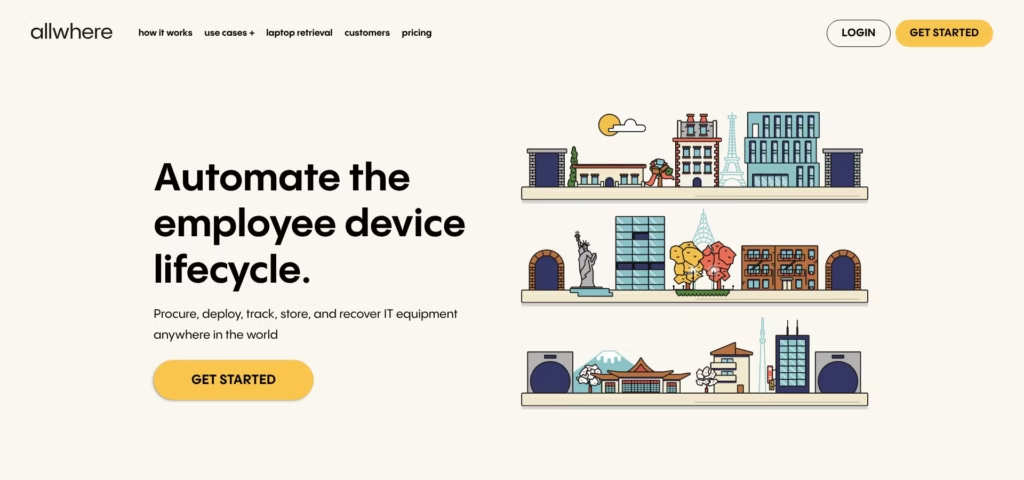
Allwhere laptop retrieval dashboard and kit experience screenshot.
Behind the scenes, the Allwhere dashboard lights up at every scan: kit delivered, device in transit, laptop back at the hub. Automated reminders handle the follow-ups HR used to chase.
Security comes standard. Drives are wiped to NIST 800-88 guidelines on arrival, and you receive a certificate of sanitization for audit peace of mind. Hardware with life left can be refurbished and staged for your next hire, trimming procurement spend without lifting a box.
Pricing stays simple. No annual contract—just one per-device fee that scales with volume. Mid-market teams split across North America and Europe see on-time returns above ninety percent while keeping budgets predictable.
The result is fewer lost laptops, stronger data control, and an IT crew that finally stops mailing cardboard.
2. GroWrk: best global reach on autopilot
GroWrk is built for companies that scatter talent across continents and never want to touch a customs form again. Sign an employee in Brazil, offboard another in Finland—the same subscription handles both without an email to a courier.
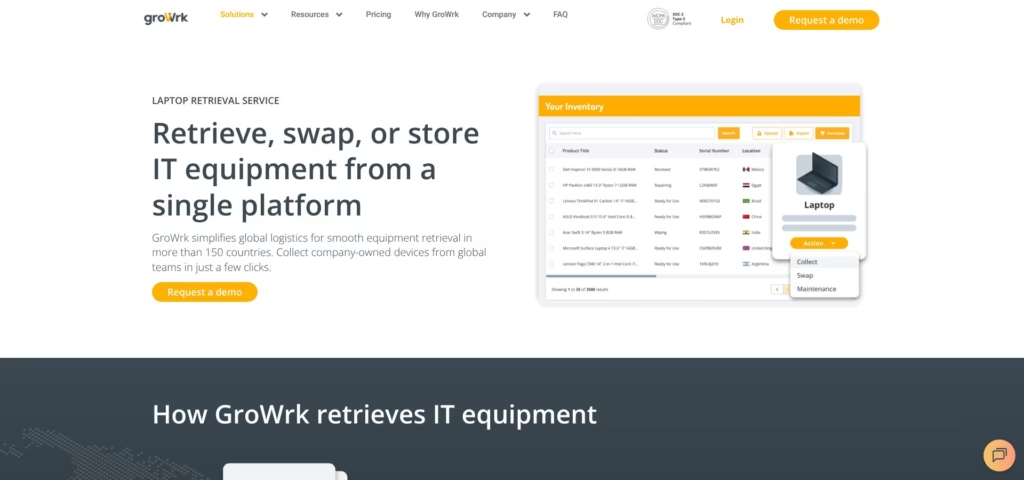
GroWrk global laptop retrieval service page screenshot.
A logistics web covering more than 150 countries keeps shipping time to days, not weeks. Local depots stock return kits with pre-cut foam, prepaid labels, and a QR code so the former employee schedules pickup in under a minute.
The platform syncs with your HRIS and MDM tools. Mark a worker as terminated, and a retrieval task fires automatically. The device locks, a box heads out, and your dashboard tracks every hop in real time. No swivel-chair data entry, no “Did anyone email Carlos?” moments.
Security works on two levels. In transit, GroWrk logs every scan for an airtight chain of custody. On arrival, drives are wiped, photographed, and certified before re-entering your inventory or heading to responsible recycling. Paperwork lands in your inbox ready for the next audit.
One flat per-seat subscription covers provisioning, swaps, and retrievals. If turnover spikes or hiring surges, costs stay predictable while the service scales.
Choose GroWrk when your workforce map looks like a flight tracker and you want laptop returns to feel as routine as payroll.
3. Firstbase: flat-rate device lifecycle made simple
Firstbase treats hardware like a streaming subscription: pay one predictable seat fee and forget every logistics task from day one to offboard.
A new hire joins? Firstbase ships a ready-to-work laptop, monitor, and accessories from its warehouse. That same fee also covers swaps, repairs, and—when the employee moves on—the retrieval.
Offboarding takes a single click inside the portal. The system locks the device remotely, queues an overnight return box, and nudges the former employee with polite reminders. More than ninety percent of gear arrives on schedule, partly because workers know the laptop is on lease from the start.
When hardware lands at a Firstbase hub, technicians wipe drives, run a quick health check, and cycle functioning units back into your pool. That loop means fewer capital requests for brand-new laptops next quarter.
The value is clear: trade variable shipping charges and ad-hoc retrieval headaches for one tidy budget line. If finance loves stable numbers and IT wants to offload the entire device lifecycle, Firstbase delivers a plug-and-play answer.
4. Hofy (Deel Equip): hardware returns baked into HR
If your HR team already lives inside Deel, Hofy—now branded Deel Equip—lets you reclaim laptops without opening another tab.
During offboarding, tick the “collect equipment” box and the platform takes over. A carbon-neutral return kit ships out, the employee schedules pickup from the same email that finalizes payroll, and status updates flow to HR and IT automatically. One workflow, zero gaps.
Coverage reaches more than one hundred countries, riding the same employer-of-record network Deel uses to hire and pay remote staff. Local expertise smooths customs delays and keeps kits moving even in challenging regions.
Sustainability runs deep. Every shipment’s carbon is offset, and end-of-life devices route to donation or certified recycling. ESG teams receive the metrics they need, while security teams get wipe certificates as soon as drives are sanitized.
Costs fold into your existing Deel agreement, adding hardware retrieval without another vendor to manage. For organizations that want HR, payroll, and IT assets under one roof, Deel Equip feels like the natural next step.
5. QuipTeams: on-demand flexibility for occasional offboards
Not every company needs a year-long contract. Sometimes you just need a return kit right now for one employee in a far-flung spot. QuipTeams fills that gap with a pay-as-you-go model that feels like booking a rideshare for laptops.
Log in, enter the departing worker’s address, and see an instant price. A foam-padded box ships within 24 hours to most metro areas, complete with a QR label so the employee hands the package to a courier without printing anything. QuipTeams emails you tracking milestones until the gear lands on your desk.
Because pricing is per pickup, budgets stay lean for teams that offboard only a few people each quarter. Yet coverage is broad—about 130 countries through carrier partners. It also serves as a reliable backup when a one-off exit falls outside your main provider’s map.
Choose QuipTeams when you want retrieval as a service, not a subscription.
6. Retriever: low-cost reliability for the US and Europe
Retriever keeps things refreshingly simple. You order a kit, it arrives fast, and the laptop returns without drama—usually for less than the price of a team lunch.
The service concentrates on the corridors where most remote staff live: the United States and Europe. That tight footprint lets Retriever promise 48-hour kit delivery in major metros and rock-bottom domestic rates. A typical U.S. laptop return costs under $100, prepaid label and foam cradle included.
Ordering takes two minutes. Enter the employee’s address in the portal, choose laptop-only or laptop-plus-monitor, and check out. The former employee receives clear packing instructions and a QR label so they can hand the box to any courier. Retriever emails tracking milestones and, if preferred, stores the device until you are ready to redeploy.
Security features match the price point: tamper-evident tape and tracked shipping, with optional drive wipe or disposal for a small add-on fee. Many SMBs that already run their own MDM find this baseline is all they need.
If most of your offboards sit in the US or Europe and every dollar matters, Retriever delivers reliable savings.
7. DeviceRescue: hands-off automation for busy IT teams
DeviceRescue treats laptop retrieval like an API call rather than a logistics chore. Connect your HRIS or ticketing system, and the moment an employee is marked “terminated,” a return workflow fires without human follow-up.
A padded kit leaves the warehouse the same day with scanner-ready labels and SMS reminders that nudge the former employee until the box is on its way back. Every checkpoint—kit delivered, package picked up, device received—appears in a single dashboard so IT never scrolls through courier sites.
Returned devices arrive at the DeviceRescue “cloud closet,” a climate-controlled warehouse where technicians photograph condition, wipe drives to NIST standards, and log serials. You can redeploy a healthy laptop to the next hire with one click or schedule certified recycling for hardware past its prime.
Pricing starts at $49 per retrieval, putting automation within reach for small teams. Volume tiers add storage credits and faster shipping, and there is no contract commitment. Use it for one laptop or one hundred.
For lean IT departments that live in workflows, DeviceRescue feels like a self-driving offboarding process.
Quick-scan comparison table
Numbers tell the story faster than prose. Use this side-by-side view to match each service’s strength to your own risk, scale, and budget.
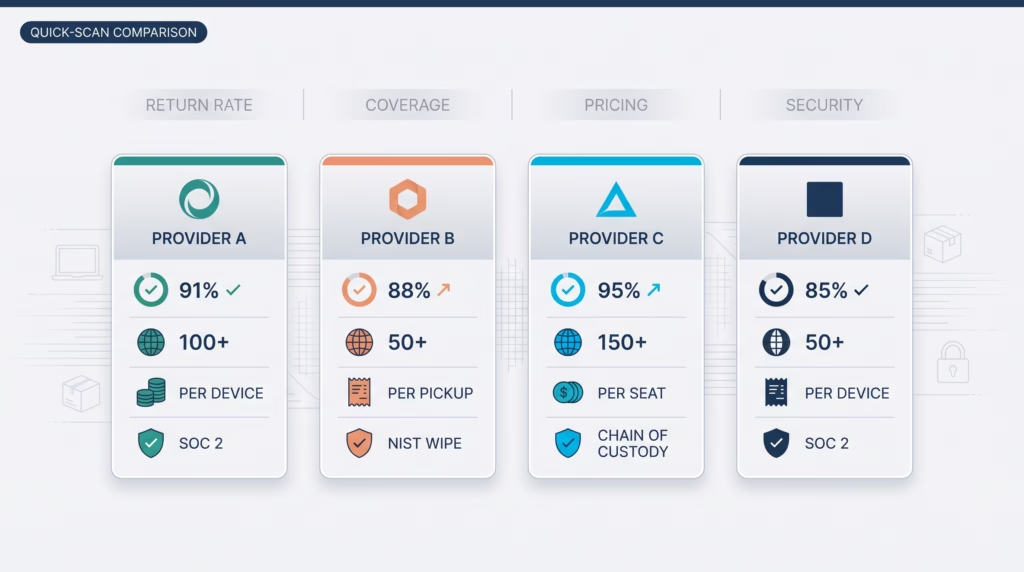
| Provider | Return rate* | Countries served | Pricing model | Stand-out strength | Security highlight |
| Allwhere | 91% | 50+ | Pay per device | Highest success rate, no contract | NIST-level wipe and custody scans |
| GroWrk | about 90% | 150+ | Per-seat subscription | Truly global network | SOC 2 platform, auto wipe certs |
| Firstbase | 90%+ | 150+ | Flat monthly seat | Full lifecycle in one fee | Remote lock and refurb loop |
| Hofy / Deel Equip | high-80% | 100+ | Deel add-on | HR and IT in one workflow | Carbon-neutral kit, wipe cert |
| QuipTeams | 88% | 130 | Per pickup | No-commitment agility | Tracked courier with reminders |
| Retriever | 98% | US, UK, EU, CA | Per pickup | Lowest domestic cost | Foam-padded kit, optional wipe |
| DeviceRescue | about 90% | US & CA | Pay as you go | API-driven automation | NIST wipe and photo log |
*Return-rate figures come from provider case studies and third-party reviews. Request the latest metrics for your industry and region before signing.
Conclusion: building a reliable return playbook
Even the best partner stalls if your internal process is shaky, so let’s lock down the basics.
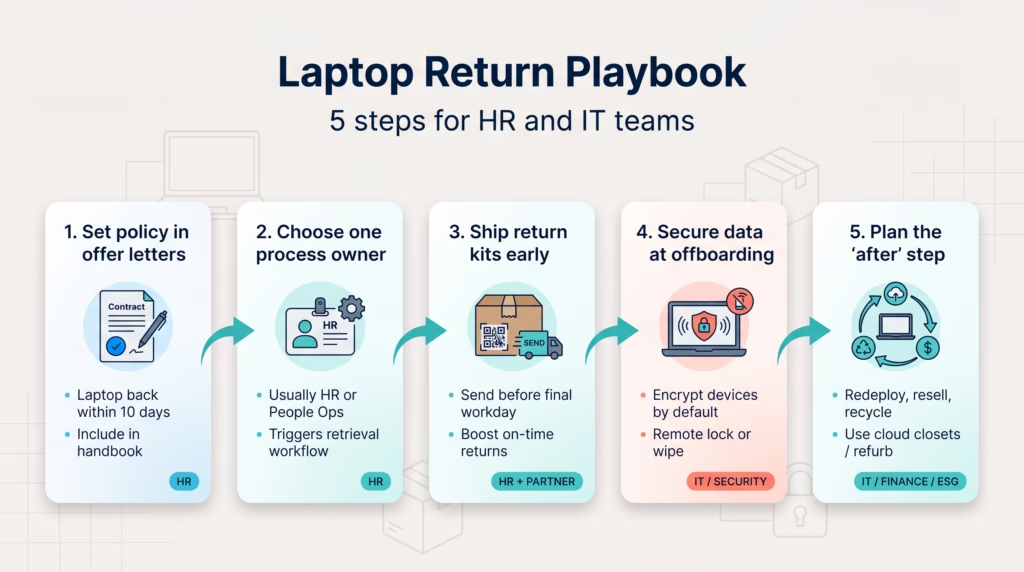
Start at the offer-letter stage. State that company hardware must be back in IT hands within ten days of exit. When the rule lives in every contract and handbook, you avoid the “no one told me” excuse that derails collections later.
Next, choose one owner for the trigger. Most teams task HR because they always know when employment ends. HR checks the offboarding box, the retrieval partner moves, and IT focuses on revoking credentials and applying a remote lock. One owner means no finger-pointing.
Time is your ally. Ship the kit before the final workday whenever possible. Employees still on payroll respond faster and pack gear while it is top of mind. Each day you wait after termination cuts return odds.
Data security runs in parallel. Encrypt laptops on day one; then, at offboarding, remote-lock or wipe them as soon as the exit meeting ends. Even if the device spends a week with a courier, your intellectual property stays sealed.
Finally, plan the “after” step. A retrieved but idle laptop is wasted capital. Decide in advance whether you will redeploy, resell, or recycle each asset. Many partners offer cloud closets, refurb loops, or certified e-waste channels. Use them to squeeze every dollar and every ESG point out of the return.
Get these fundamentals right and the service you choose—whether Allwhere or DeviceRescue—becomes the cherry on top, not a single point of failure.
FAQ: your top laptop-return questions, answered
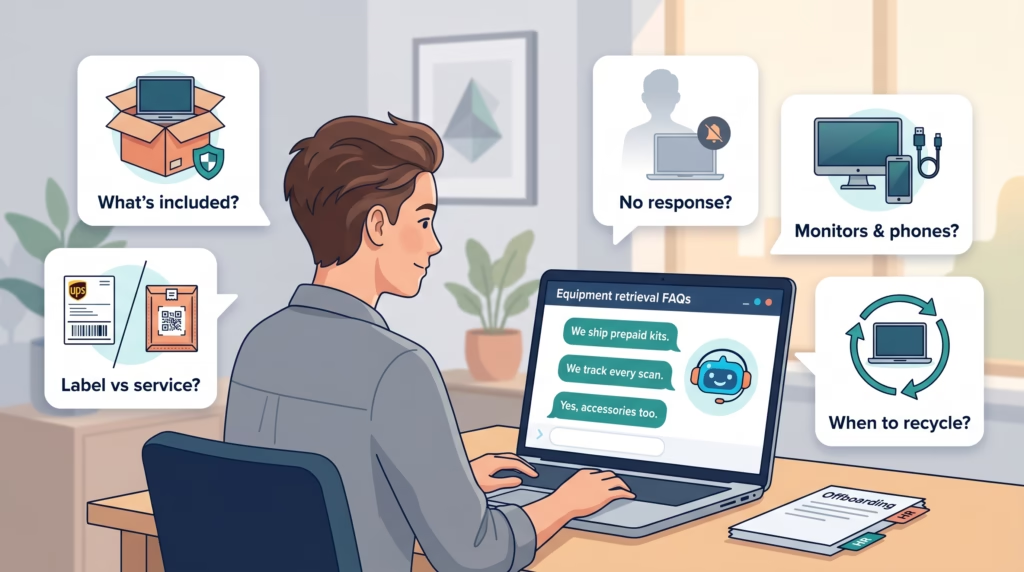
What exactly is an equipment-retrieval service and why pay for one?
Think of it as an outsourced mailroom plus security guard. The provider ships a prepaid kit, nudges the former employee, tracks every scan, and hands back a wiped, audit-ready laptop. Companies often jump from roughly fifty percent retrieval success to more than ninety percent, saving thousands in lost gear and breach risk.
We offboard only a few people a year. Can’t we just send a UPS label ourselves?
You can, and for one or two local returns that may work. Trouble starts when roles are remote, cross-border, or when busy teams forget to follow up. Services buy bulk shipping, automate reminders, and document the chain of custody—tasks that cost more staff time than the fifty- to one-hundred-dollar kit fee.
What if a departing employee ignores every email?
Policy plus process wins. Have HR hold final pay until the laptop ships, then let your retrieval partner keep sending gentle nudges. If silence continues, remote-lock the device and escalate per your handbook. Most workers comply once the lock screen and payroll notice appear.
Do these kits cover monitors, phones, and random dongles?
Yes. Specify extras at checkout. Larger items get bigger boxes or separate labels, and most vendors offer bundle pricing so you are not paying double freight.
How long should we keep retrieved laptops before recycling them?
Set a lifecycle rule. Many firms redeploy devices up to four years old, then route them through certified e-waste or donation programs. Your retrieval partner can store gear in a cloud closet and ship it to the next hire, squeezing every ounce of value before retirement.